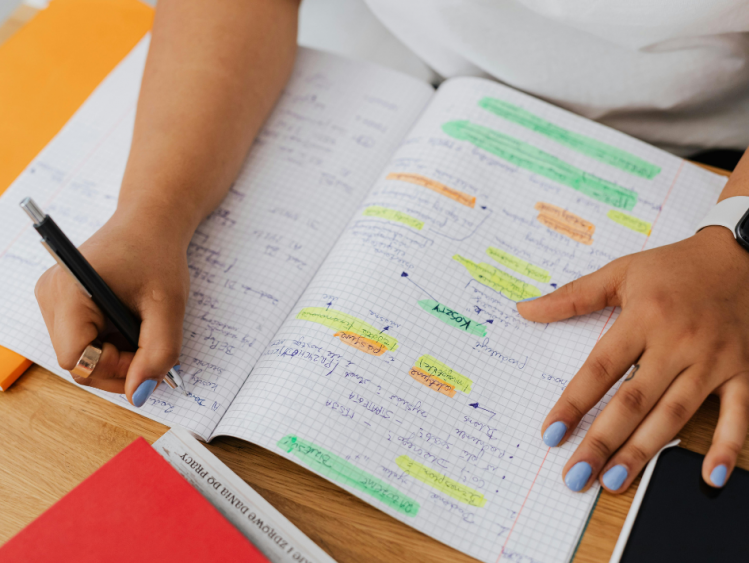
After the Christmas break many GCSE students feel behind, overwhelmed or unsure where to begin. The good news is that January is the perfect time to reset, refocus and build strong habits before mock exams and the summer exam season.
This guide explains the most effective science backed revision strategies to start the new year with confidence.
A fresh start begins with a clean slate. Try to:
- Clear your desk or study area
- Organise your folders and books
- Remove old or unnecessary papers
- Update your exam timetable
- List each subject and your weaker topics
A tidy space reduces mental clutter and makes concentration much easier.
Instead of returning to long intense study sessions straight away, ease back in by:
- Doing short twenty to thirty minute sessions
- Beginning with light review rather than heavy new content
- Revisiting topics you already remember
This helps you rebuild your rhythm without pressure.
Consistency matters more than intensity. A balanced January routine might include:
- One or two subjects per day
- Forty five to sixty minutes of revision after school
- Two or three longer sessions at weekends
- Regular breaks to prevent burnout
Avoid passive revision like simply rereading notes. Instead, focus on:
January is a perfect time to improve your lower scoring areas. Try to:
- Look over your mock exam results
- Identify topics you struggled with
- Review teacher feedback
- Plan revision that focuses on these weaker areas
This approach removes panic later in the year.
At the end of each week reflect on:
- What you revised
- What you found difficult
- What needs more practice
- What your plan is for next week
Weekly reflection strengthens long term learning.
January can feel dark and tiring so support your mind and body by:
- Sleeping at least eight hours
- Drinking plenty of water
- Getting outdoors each day if possible
- Moving your body even if it is just a short walk
- Having at least one full rest day a week
A healthy routine improves focus and memory.
These tools make revision easier and more structured:
- Seneca Learning
- BBC Bitesize
- Quizlet or Anki
- Past papers from your exam board
They are all reliable and widely used by GCSE students.
January is not about being perfect. It is about building good habits that will carry you into the spring feeling confident and prepared. With the right strategies you can turn a slow start after the Christmas break into a strong beginning to your GCSE revision journey.